
Australia stands among the world’s foremost destinations for healthcare training, attracting students eager to pursue medical courses embedded within a highly regarded healthcare system. With a burgeoning demand for healthcare professionals, the country offers a comprehensive array of educational opportunities designed to equip learners with critical clinical skills and up-to-date knowledge. These programs go beyond traditional study approaches by integrating hands-on training and practical experience through clinical placements, ensuring graduates are job-ready and resilient in the face of diverse healthcare challenges. Students find themselves immersed in learning environments that foster not only technical expertise but also crucial soft skills such as communication and problem-solving, essential for thriving across varied healthcare settings.
Healthcare training in Australia is multifaceted, spanning qualifications from certificates and diplomas through undergraduate and postgraduate degrees. This enables students to tailor their educational journey according to their career aspirations, whether entering nursing education, allied health fields, or specialized medicine sectors. The alignment of course content with real-world health scenarios, coupled with cutting-edge medical training programs, empowers graduates to become vital contributors within Australia’s health system and beyond. This dynamic education framework is further supported by regulatory oversight from agencies such as the Australian Health Practitioner Regulation Agency (AHPRA), ensuring that healthcare qualifications meet rigorous standards for professional registration and practice.
Brief overview of key points:
- Healthcare training in Australia integrates extensive practical experience with theoretical learning to develop competent healthcare professionals.
- AHPRA-approved medical courses are essential for professional registration and career progression in fields such as nursing, physiotherapy, and pharmacy.
- Flexible study options cater to diverse healthcare career goals, from certificates to advanced degrees and specialized training.
- The Australian healthcare system offers a robust framework for clinical skill development through placements and internships.
- Career opportunities in healthcare are expanding, with significant growth in allied health and digital health sectors expected.
- International students benefit from quality education and pathways to work, supported by government policies and visa frameworks.
- Healthcare qualifications from Australia are recognized nationally and often internationally, creating global career prospects.
Comprehensive Study Options in Healthcare Training Australia
Australia’s healthcare education landscape encompasses a broad spectrum of courses carefully designed to impart vital knowledge and clinical skills to maintain and improve health and wellbeing. These programs are tailored to meet the demands of an evolving health sector and the specific employment needs of the Australian healthcare system. Students enrolling in these training pathways receive detailed instruction on human anatomy, physiology, mental health, and healthcare service delivery, preparing them to address various medical challenges effectively.
The diverse curricula cover various specializations such as nursing, nutrition and dietetics, physiotherapy, speech pathology, applied psychology, midwifery, dentistry, and complementary medicine including Chinese medicine, osteopathy, and acupuncture. Practical skills development is paramount, with courses structured to integrate problem-solving exercises, case study analyses, and communication training. These components are essential in building adaptive healthcare professionals capable of functioning proficiently in multifaceted clinical settings.
Clinical placements form a cornerstone of medical training programs, offering hands-on experience under supervision, which solidifies theoretical learning and boosts confidence. Certain courses also encourage participation in international volunteering programs, providing valuable exposure to diverse healthcare environments and community health initiatives worldwide. This blend of theory, practical exposure, and empathy development creates healthcare professionals ready to contribute meaningfully from day one.
Students may pursue qualifications spanning different levels:
- Certificate III and IV courses that provide foundational health certifications, ideal for entry-level roles or as stepping stones towards advanced study.
- Diplomas offering more extensive knowledge and practice opportunities in areas like counselling and medication administration.
- Bachelor’s degrees and postgraduate study tailored for professions requiring in-depth medical expertise such as nursing or physiotherapy.
The adaptability of study options caters to a diverse student population, including international learners seeking robust healthcare training programs abroad with strong employment prospects. Detailed guidance on eligible courses, especially those approved by regulatory bodies such as AHPRA, is essential for ensuring that graduates can secure professional registration, a prerequisite for practicing legally in Australia.
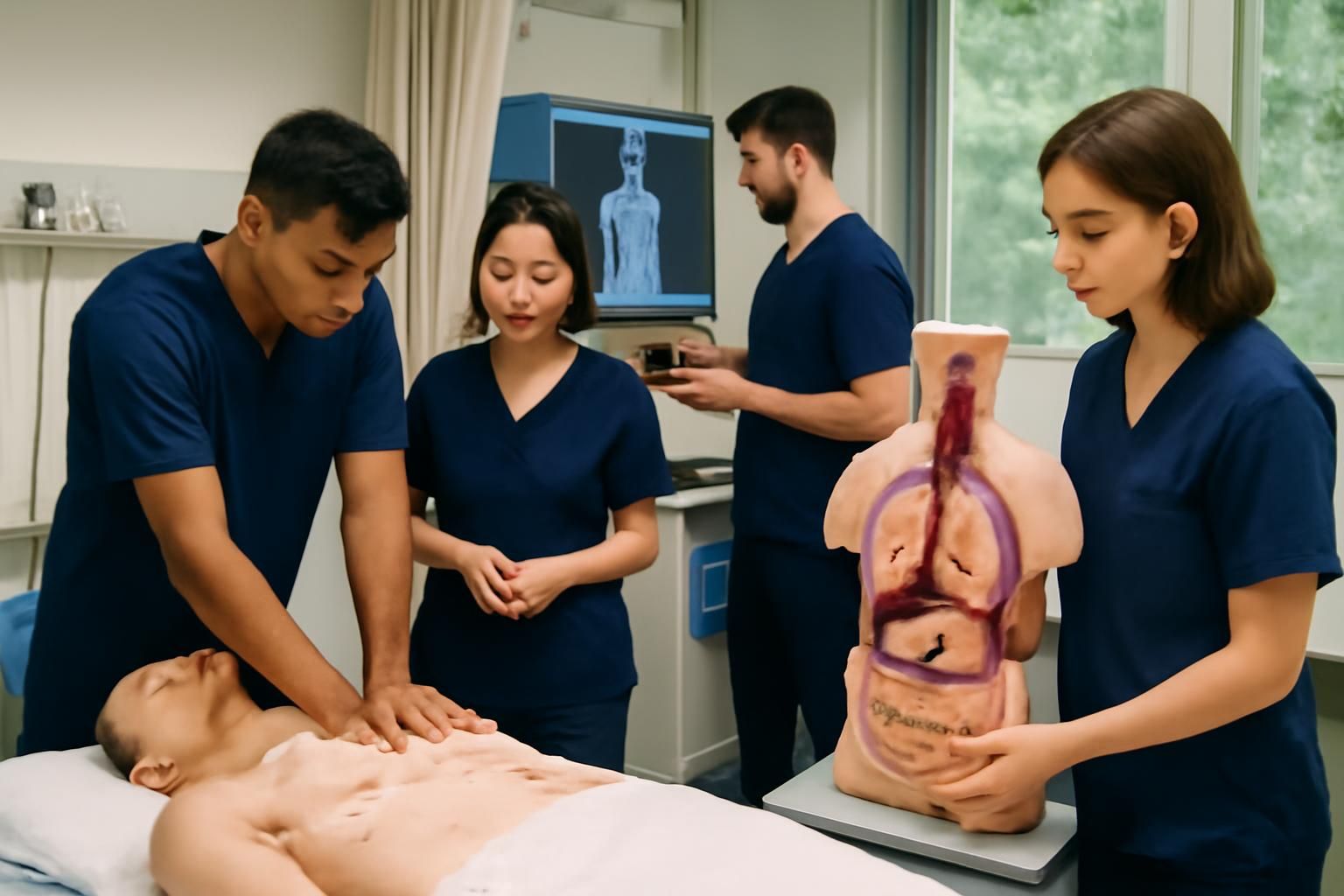
Exploring Career Paths with Australian Healthcare Qualifications
The healthcare training courses in Australia open doors to a variety of rewarding career paths that meet current national and global health demands. Graduates are positioned to work in hospitals, community health centers, aged care facilities, mental health services, and specialized clinics. The country’s rapidly aging population and advancements in medical technologies continually create new sectors within the healthcare industry, elevating demand for skilled professionals.
Career options range widely and include:
- Nursing and midwifery: With critical roles in patient care and health promotion.
- Physiotherapy: Focused on rehabilitation and movement therapies to assist recovery.
- Health informatics: Merging healthcare with digital systems to optimize patient data.
- Complementary medicine: Traditional approaches such as acupuncture integrated with conventional treatments.
- Counselling and psychology: Providing mental health support with evidence-based therapeutic interventions.
Additionally, some professionals choose to specialize by body systems, such as dentistry targeting oral health, or oncology focused on cancer treatment. Others find meaningful work supporting vulnerable populations like children in paediatrics or the elderly in aged care. Public health promotion careers aim at improving community wellness through education campaigns and policy influence.
The versatility of healthcare careers is well-matched by Australia’s healthcare qualifications, which emphasize multidisciplinary knowledge and adaptability. Graduates often experience high employability due to their multifaceted skill sets gained through rigorous clinical training. For international students, these qualifications provide global recognition and pathways to working in multiple countries.
By selecting relevant healthcare training programs, students become part of a dynamic workforce addressing some of society’s most pressing challenges. The evolving nature of healthcare means professionals must continually upskill, participate in ongoing professional development, and adapt to innovations in health technology and treatment protocols. Australia’s health education providers support this growth with opportunities for advanced courses and research involvement.
High Demand Healthcare Jobs and Growth Projections in Australia
The healthcare sector is Australia’s largest employer and is expanding rapidly to meet increasing community needs. Technological progress and demographic shifts such as an aging population have fueled this robust growth, positioning healthcare training courses as gateways to sustainable employment futures. Forecasts from 2021 to 2026 demonstrate significant job growth in various professional areas, highlighting paths with the most substantial opportunities.
Key professions experiencing rapid growth include:
| Healthcare Profession | Projected Job Growth Rate (%) | Estimated Increase in Number of Jobs |
|---|---|---|
| Audiologists and Speech Pathologists | 34.7% | 4,300 |
| Podiatrists | 31.8% | 2,100 |
| Physiotherapists | 28.7% | 9,400 |
| Complementary Health Therapists | 27.9% | 1,800 |
| Specialist Physicians | 27% | 4,800 |
This continued expansion reflects the essential role healthcare professionals play in both direct patient care and broader community health management. For students and professionals contemplating a career in healthcare, this data suggests strong job security and diverse employment opportunities. The growing integration of digital health technologies further amplifies prospects, creating roles that combine clinical expertise with IT proficiency.
Moreover, Australia’s commitment to public health initiatives and preventive care increases the need for professionals skilled in health promotion, dietetics, and allied health disciplines. This trend supports the uptake of training programs that integrate public health perspectives and technology-driven approaches, enhancing the versatility and relevance of health certifications offered by educational institutions across the country.
Importance of AHPRA-Approved Medical Courses for Registration and Practice
Choosing an AHPRA-approved healthcare training course in Australia is crucial for both domestic and international students. AHPRA, the Australian Health Practitioner Regulation Agency, oversees professional registration for 16 regulated health professions, ensuring practitioners meet strict standards of safety, competence, and ethical conduct.
Enrolling in an AHPRA-accredited program guarantees that graduates can apply for registration, which is mandatory for legal practice. This approval influences not only career eligibility but also work visa pathways, notably for international learners seeking Temporary Graduate Visas to stay and work post-study. Without registration, graduates cannot pursue employment in key healthcare professions such as nursing, physiotherapy, pharmacy, psychology, dentistry, or medicine.
The approval process involves ensuring that courses comprehensively cover national competency standards and prepare students for relevant registration examinations or practice requirements. The National Boards associated with AHPRA maintain oversight for professions ranging from nursing and midwifery to paramedicine and Chinese medicine, each with specific registration guidelines.
International students benefit from clear eligibility criteria for registration, including English proficiency standards, criminal history checks, and fitness-to-practice validations. Early understanding of these requirements aids students in selecting suitable programs and planning their career trajectory effectively.
For detailed guidance on these requirements and course selections, students can consult expert services such as those provided by Aussizz Group, which assists with course verification, visa applications, and post-graduation registration procedures.
Typical Requirements for AHPRA Registration Across Key Healthcare Professions
The path to registration differs slightly among the various regulated professions, but several consistent prerequisites apply across the board. Candidates must hold an approved qualification, demonstrate English language competence, pass criminal history assessments, and provide identity verification. Below is a broad overview of registration criteria for select healthcare fields:
| Profession | Minimum Australian Qualification | English Language Requirement | Additional Assessments | Other Key Prerequisites |
|---|---|---|---|---|
| Nursing & Midwifery | Diploma, Bachelor or Graduate Entry Master (NMBA approved) | IELTS 7.0 overall (waived if studied in Australia) | None for Australian grads | Criminal record check, professional indemnity insurance |
| Physiotherapy | Bachelor or Master of Physiotherapy | IELTS 7.0 overall or equivalent | None | Fitness-to-practice declaration, identity proof |
| Psychology | Four-year APAC-accredited sequence + internship or Master’s | IELTS 7.0 overall | National Psychology Exam, supervised practice plan | Professional conduct declarations |
| Pharmacy | Bachelor/Master + Internship | IELTS 7.0 or OET B | Intern Training Program + Assessment Exam | Continuing professional development evidence |
| Medicine | MBBS or equivalent | IELTS 7.0 or OET B | 12-month internship | Identity, conduct declarations |
Registration rules emphasize that only compliant programs lead to registration eligibility, crucial for students to assess before enrolling. Many professions maintain strict documentation and procedural standards to safeguard public safety and uphold professional ethics.
How International Students Can Strategically Select and Prepare for Healthcare Training in Australia
International students aiming to launch healthcare careers in Australia must be strategic when choosing courses and planning their study timelines. Opting for a program aligned with AHPRA criteria is the first step, enabling a seamless registration process post-study. Students benefit significantly from early preparation—keeping academic documents current, actively participating in clinical placements, and tracking English language test validity per AHPRA’s recency requirements.
Additional advice for offshore applicants includes:
- Verifying courses via official lists and consulting trusted education agents.
- Complying with visa obligations to maintain lawful status during study and training.
- Planning supervised practice components or bridging programs if required for certain professions.
- Understanding requirements for post-study work visas, including the Temporary Graduate Visa (Subclass 485).
Maintaining organized records and consistent personal information streamlines both registration and employment prospects. Multiple resources, including those provided by Healthcare Australia, offer educational advice and support tailored to international students navigating this complex landscape.
Vocational Education and the Role of Certificate Courses in Healthcare Training
Vocational training remains a cornerstone of healthcare education, offering practical pathways into the workforce. Certificate III and IV courses, often delivered by TAFE institutions or registered training organizations, provide nationally recognized qualifications equipping students with essential health certifications necessary for entry roles. These courses emphasize skills acquisition relevant to specific areas such as aged care, community health support, and medication administration.
Such programs are ideal for students seeking focused training over shorter durations or those transitioning careers. They provide hands-on clinical exposure and foundational knowledge crucial for responsible healthcare delivery. Students completing these certificates can progress to diploma and degree-level studies, facilitating upward mobility within the healthcare career ladder.
Insights regarding the duration, curriculum content, and enrolment procedures for certificate courses can be found through educational resources like TAFE health courses listings and government training portals, which keep pace with workforce demands and regulatory standards.
How do I confirm if a healthcare course is AHPRA-approved?
You can verify course accreditation by checking the official AHPRA Approved Programs of Study list or consulting experienced education agents specialized in health training programs.
Can international students work in Australia without AHPRA registration?
No, registration with AHPRA is mandatory for legally practicing within regulated health professions across Australia.
What are the English language requirements for healthcare registration in Australia?
Most health professions require an overall IELTS score of 7.0 or equivalent; however, exemptions may apply for those who completed their studies in English in Australia.
Are there pathways for career advancement after completing healthcare training?
Yes, many healthcare courses provide opportunities for further specialization, postgraduate study, and professional development to enhance one’s career trajectory.
Do healthcare qualifications from Australia have international recognition?
Australian healthcare qualifications are widely respected worldwide, often enabling graduates to explore career opportunities beyond Australia’s borders.