
As Australia evolves into a hub of digital transformation in education, the demand for online learning platforms tailored to flexible education models has surged dramatically by 2026. The pursuit for scalable, interactive, and accessible education has triggered innovations that empower learners across all sectors to engage in e-learning 2026 with unprecedented adaptability. In a vast country where geographical barriers often limit access, these platforms are now crucial in ensuring all Australians can benefit from high-quality training and academic advancement regardless of their location.
This shift isn’t just about convenience; it is about fundamentally redefining how knowledge is acquired and applied in both professional and personal contexts. The rise of remote education and digital classrooms has greatly diversified learning opportunities, catering to students, professionals, and lifelong learners by offering dynamic, tailored virtual courses available anytime, anywhere.
In 2026, Australia’s commitment to enhancing digital education has made these distance learning Australia options more robust, secure, and aligned with national standards. The integration of AI tools and interactive capabilities are transforming the routine task of content delivery into a rich, immersive learning experience. Whether employers aim to upskill their workforce or individuals seek online certification for career progression, choosing the right online learning platform is more critical than ever.
As you explore the options available in Australia for flexible education, consider platforms not only for their content but also for their ability to comply with local regulations, provide personalized experiences, and support practical learning outcomes that meet the demands of a future-ready economy.
In this extensive guide, we will examine the features, benefits, and emerging trends of the top online learning platforms in Australia, equipping you with the knowledge to thrive in today’s digital learning landscape.
- Top-tier interactive features are essential in maintaining learner engagement in virtual settings.
- Regulatory compliance and local hosting ensure data security and alignment with Australian standards.
- Platforms must support mobile and remote access to cater to Australia’s diverse workforce including remote and frontline employees.
- Learning analytics and AI integration enable personalized learning journeys increasing the effectiveness of education.
- Flexible certification paths provide learners with credentials that hold real value in the Australian job market.
Understanding the Core of Online Learning Platforms in Australia for Flexible Education
Online learning platforms serve as the digital classrooms of the 21st century, designed to consolidate education delivery in a user-friendly environment. In Australia, the importance of these platforms is growing as they offer flexible education pathways suitable for varied demographic groups ranging from urban professionals to remote communities.
At their core, these platforms provide essential features including multimedia content delivery through videos, downloadable resources, and interactive quizzes that cater to different learning preferences. Furthermore, they encompass powerful learning management systems (LMS) that track progress, manage assessments, and handle user data efficiently.
Examples of online learning environments in Australia demonstrate their ability to bridge traditional education gaps through streamlined digital access. For instance, a construction worker in Western Australia can upskill using a virtual safety training program, while a university student in Sydney can attend a live webinar on advanced research techniques. Bringing learners together through discussion forums and real-time chat elements transforms isolated remote education into a collaborative, engaging experience.
Such platforms support multiple learning formats:
- Self-paced courses exposing learners to content at their convenience.
- Instructor-led courses promoting scheduled interaction and feedback.
- Blended learning combining online and offline training suitable for vocational and professional development.
Since these systems encompass a wide spectrum of functionalities, choosing the right platform depends largely on the specific educational goals, industry standards, and learner demographics. For comprehensive insights into available providers tailored for the Australian market, resources like platform comparisons and reviews offer valuable guidance.
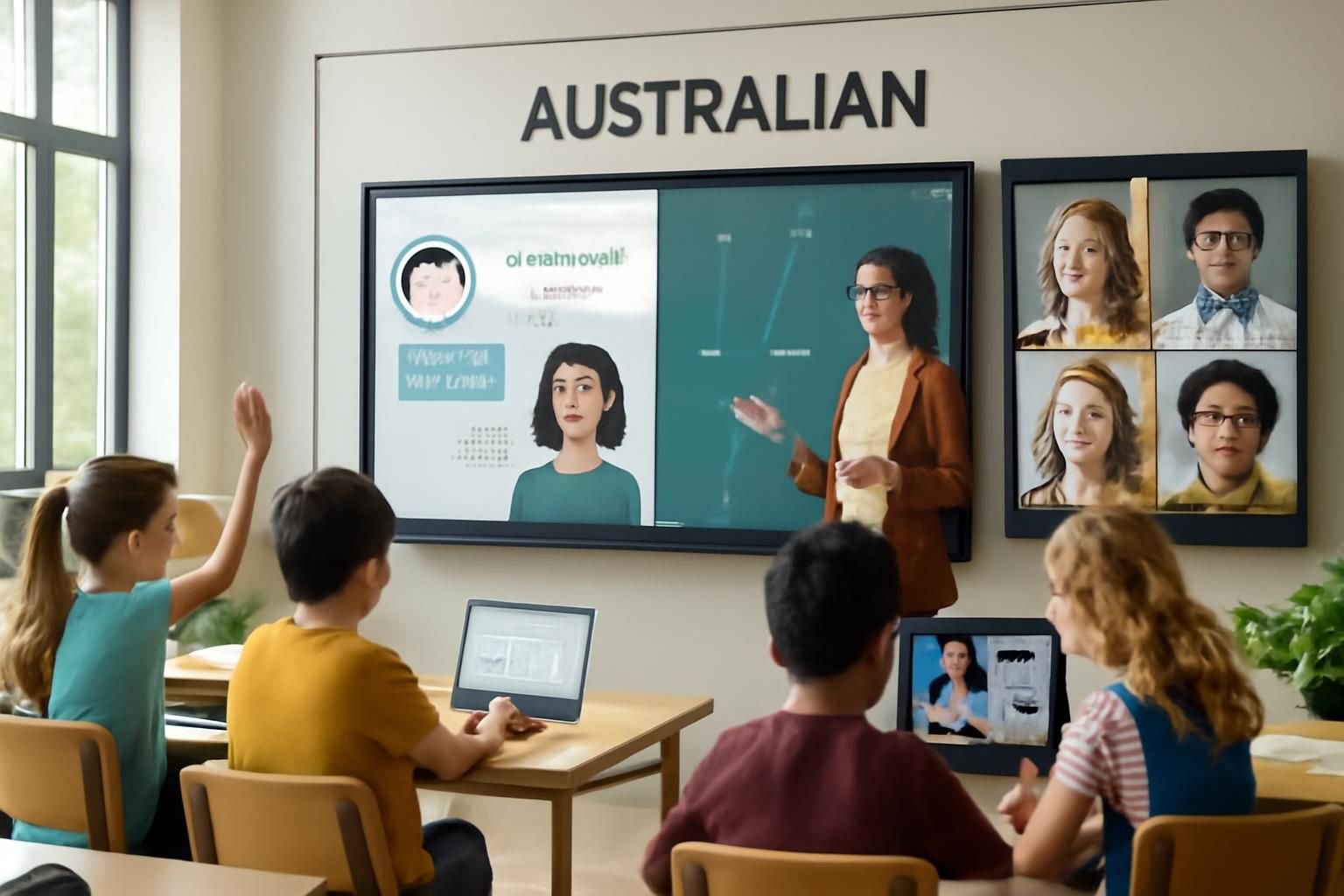
Why Prioritize Australian-Based Platforms for Online Learning and Development?
There are distinct advantages to selecting an Australian online learning platform, especially when addressing compliance and localisation needs. Platforms based in Australia must adhere to the Privacy Act 1988, ensuring that sensitive learner data is stored within national boundaries—a critical factor for government entities and private firms concerned about data sovereignty.
Beyond data security, Australian platforms understand the unique workforce characteristics, including a significant proportion of remote and deskless workers. For example, indigenous community education programs in Northern Australia benefit greatly from mobile-optimized virtual courses specifically designed for low-bandwidth environments, ensuring equitable access across the continent.
These platforms are often developed with deep collaboration from local industry bodies. This means their course offerings, assessment criteria, and certification processes align closely with national training packages and Australian Qualifications Framework (AQF) standards. Such alignment facilitates easier skill recognition for employment and licensing purposes.
Moreover, local support centers offer timely assistance, eliminating time-zone delays common with international providers. Australian companies and learners alike experience more reliable updates and tailored features that reflect evolving government education policies and market needs.
Consider the example of a healthcare organisation utilising a domestic e-learning platform with real-time compliance checks for clinical skills—ensuring that training remains relevant and legally compliant, which might be more challenging with foreign platforms.
To explore a curated list of these Australian platforms and their benefits, this detailed guide to e-learning platforms offers extensive reviews and comparison metrics focused on the Australian context.
Technological Innovations Driving Flexible Education on Australian Platforms
The leap into 2026 has seen remarkable advances in technology that are reshaping how education technology powers online learning platforms in Australia. Leading-edge features now include artificial intelligence-driven personalization, adaptive learning paths, and immersive environments blending AR and VR for hands-on experience.
AI personalization enables platforms to adapt content difficulty based on a learner’s performance, offering tailored suggestions for review material or alternative resources. For example, a marketing professional working within an online certification course might receive real-time prompts and customized case studies aligned with their career focus.
Additionally, advanced analytics track engagement patterns providing educators detailed insights into learner behavior — allowing timely interventions or course redesigns to improve outcomes. These data-driven improvements are critical for workforce training programs where skill gaps must be addressed urgently.
Immersive virtual environments represent another frontier. Healthcare students can simulate surgeries in 3D spaces, or trade apprentices can practice machinery maintenance in digital replicas before engaging onsite. These experiences enhance practical knowledge while mitigating risks associated with on-the-job learning.
These innovations not only make the learning more captivating but also amplify retention and real-world application possibilities. As digital influences increase, the fusion of these technologies ensures online learning platforms evolve into comprehensive ecosystems fostering expertise and career readiness.
How Flexible Education Supports Diverse Australian Learners and Workforces
One of the remarkable strengths of online learning platforms in Australia lies in their ability to cater to an exceptionally diverse population. Flexible education offers solutions designed for students juggling family commitments, shift workers needing variable study hours, or professionals aiming to upskill without disrupting their jobs.
Take for instance a regional nurse pursuing an advanced diploma who relies solely on distance learning Australia provides. Flexible education enables this nurse to access virtual courses after shifts or while on breaks, thus integrating learning with a busy lifestyle without compromising quality or progress.
Similarly, frontline workers in logistics or retail sectors benefit from modular, bite-sized training components accessible via mobile devices. This approach addresses the practicalities of learning on the move and suits the constant turnaround of staff in such industries.
Additionally, indigenous and remote learners gain enhanced opportunities through culturally appropriate content, local dialect inclusions, and platform designs accommodating limited connectivity. This fosters inclusivity and helps bridge education gaps previously exacerbated by Australia’s vast geography.
Institutional programs focusing on bridging gaps and vocational training are increasingly adopting flexible digital options. This expands participation rates and supports national targets for workforce upskilling and reskilling, crucial for Australia’s economic competitiveness in 2026.
Comparing Leading Australian Online Learning Platforms: Features and Pricing
In an increasingly crowded marketplace, selecting the best platform involves evaluating features against cost-effectiveness and user experience. To assist in decision-making, here is a comparative overview table highlighting key characteristics of prominent Australian online learning platforms:
| Platform | Key Features | Target Audience | Pricing Model | Local Support |
|---|---|---|---|---|
| LearnWorlds | Interactive courses, AI-driven analytics, mobile support | Businesses, educators, corporate training | Subscription-based with tiered plans | 24/7 Australia-based team |
| Open Universities Australia | Wide university course selection, flexible enrolment, accredited certifications | Higher education students, career changers | Pay per course | Dedicated Australian student helpdesk |
| Go1 | Extensive content library, compliance tracking, personalised learning journeys | Corporate and government organisations | Enterprise licensing | Local account managers |
| Skillsoft | Microlearning modules, extensive skill assessments | Large enterprises, professional development | Custom pricing | Regional support teams |
These platforms reflect a range of adaptability suited to various sectors and learning preferences. Evaluations such as those found on SourceForge’s Australian online learning page can provide comprehensive user reviews for additional perspective.
Strategies for Upskilling and Workforce Development via Online Learning Platforms in Australia
As industries rapidly transform, continuous upskilling has become a staple for Australian workers and employers alike. Online learning platforms are pivotal in delivering accessible, flexible education that matches the pace of change and workforce demands in 2026.
Effective strategies include combining mandatory compliance training with personalized skill enhancement paths, allowing employees to maintain certifications while expanding abilities relevant to their roles. For instance, a financial services firm may integrate regulatory compliance courses alongside emerging technology certifications offered through their chosen digital platform.
Employers leveraging data analytics and learner feedback can also tailor training interventions to specific employee groups, improving engagement and retention rates. Such targeted approaches ensure educational investments translate into measurable performance improvements.
Workers benefit from a blended learning approach, involving self-paced courses supplemented by webinars and interactive workshops, balancing flexibility with real-time knowledge exchange.
For practical guidance on navigating vocational training and certification options, platforms like TAFE enrolment guides and vocational training blogs provide invaluable support for learners starting or advancing their career paths using online learning infrastructure.
Emerging Trends and the Future Outlook for Online Certification and Education in Australia
Online certification continues to gain traction as employers recognise digital credentials as valid indicators of skills and knowledge. In 2026, Australian platforms are increasingly integrating blockchain technology for credential verification, enhancing trustworthiness and portability of certifications.
Another significant trend is the expansion of micro-credentials and nanodegrees, catering to professionals who prefer short, focused study modules over lengthy degree paths. These are particularly attractive in fast-changing fields such as information technology, healthcare, and renewable energy sectors.
The increased incorporation of virtual courses with AI tutors further personalises learning, enabling on-demand support and feedback that mimic in-person mentoring experiences.
Looking forward, partnerships between educational institutions, industry bodies, and tech innovators are expected to deliver even more immersive and flexible learning ecosystems. Initiatives aimed at integrating virtual reality simulations and gamified assessments will likely enhance learner engagement and practical skill acquisition.
Such developments reinforce Australia’s position as a leader in flexible education, ready to address the diverse learning needs and workforce demands now and in the future.
Best Practices for Selecting and Implementing Online Learning Platforms in Australian Enterprises
Choosing an online learning platform requires a balanced approach considering organisational needs, user experience, compliance, and technology features. Australian enterprises benefit from prioritising platforms that offer:
- Scalable solutions capable of accommodating growing teams without compromising performance.
- Robust security frameworks ensuring data protection in alignment with Australian laws.
- Intuitive interfaces that encourage learner adoption and minimise technical barriers.
- Integration capabilities with existing HR and enterprise systems.
- Comprehensive reporting and analytics for tracking business impact and learner progress.
- Dedicated local customer support for timely assistance and platform updates.
Successful implementation also involves comprehensive change management strategies including stakeholder engagement, communication plans, and ongoing training to maximize the benefits of the platform.
For Australian businesses seeking guidance on adopting effective LMS solutions, expert blogs on LMS in Australia offer practical advice and case studies demonstrating successful deployment and utilisation of online learning platforms.
What makes Australian online learning platforms different from international ones?
Australian platforms are tailored to local compliance standards, data privacy regulations, and workforce needs, providing region-specific support and content that ensure relevance and security.
How do online learning platforms support career advancement in Australia?
They offer flexible, accessible courses and online certification recognized by employers, enabling professionals to upskill without interrupting work schedules.
Can remote learners in Australia access quality education through digital classrooms?
Yes, advancements in education technology ensure that from urban centres to remote communities, learners can participate fully in engaging virtual courses using mobile-friendly platforms.
What role does AI play in the future of online learning platforms?
AI enhances personalization, provides real-time support, and helps in monitoring learner progress, making education more adaptive and effective.
Are there free or government-supported online courses available in Australia?
Yes, multiple platforms offer free or subsidised courses funded by the government, making education more accessible to a wider audience.